Roll Call
Attendance Made Easy.
About
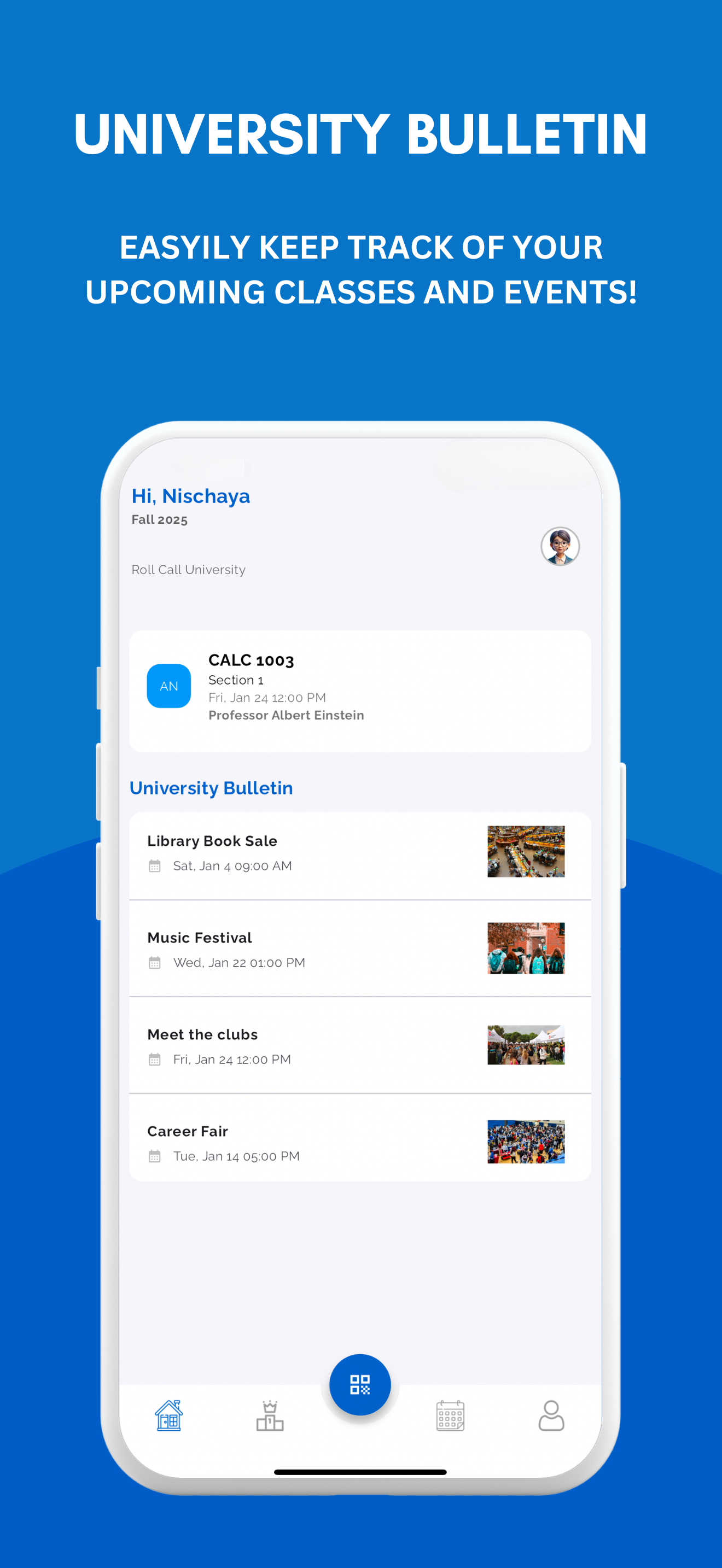
Roll Call is redefining what it means to show up. Born out of frustration with outdated attendance systems, Roll Call is a smart, student-first platform built to make attendance seamless, engaging, and rewarding. With real-time QR code verification, personalized calendars, university-wide bulletins, and features like leaderboards and streak trackers, Roll Call transforms class attendance into a dynamic part of campus life. At its core, Roll Call is more than an app, it’s a movement to foster student accountability, recognize effort, and build stronger connections between students and their education.
Context & Motivation
During my time at university, I experienced firsthand how inefficient and impersonal attendance tracking disrupted classroom dynamics. From paper sign-in sheets to unreliable static QR codes, valuable class time was often lost to administrative tasks. More importantly, these systems failed to communicate anything beyond presence or absence.
What stood out to me was not just inefficiency, but the way attendance systems shaped behavior. They framed participation as obligation rather than choice and offered no meaningful insight into patterns of disengagement until it was too late. Students could quietly fall behind, and professors had little visibility into early warning signs.
This gap revealed an opportunity to rethink attendance not as enforcement, but as communication.
Problem Framing
Attendance systems are not neutral tools. They communicate values.
Most existing systems:
prioritize compliance over participation
reduce engagement to a checkbox
surface problems only after failure
emphasize monitoring rather than care
What initially appeared to be a logistical issue revealed itself as a deeper design problem rooted in how institutions signal accountability, value presence, and respond to disengagement.
So I asked myself
How might attendance systems be redesigned to communicate value, encourage presence, and surface disengagement early without relying on surveillance or punishment?
System Diagrams
Together, these diagrams show Roll Call both as an operational system and as a conceptual framework for how design mediates behavior, visibility, and care.
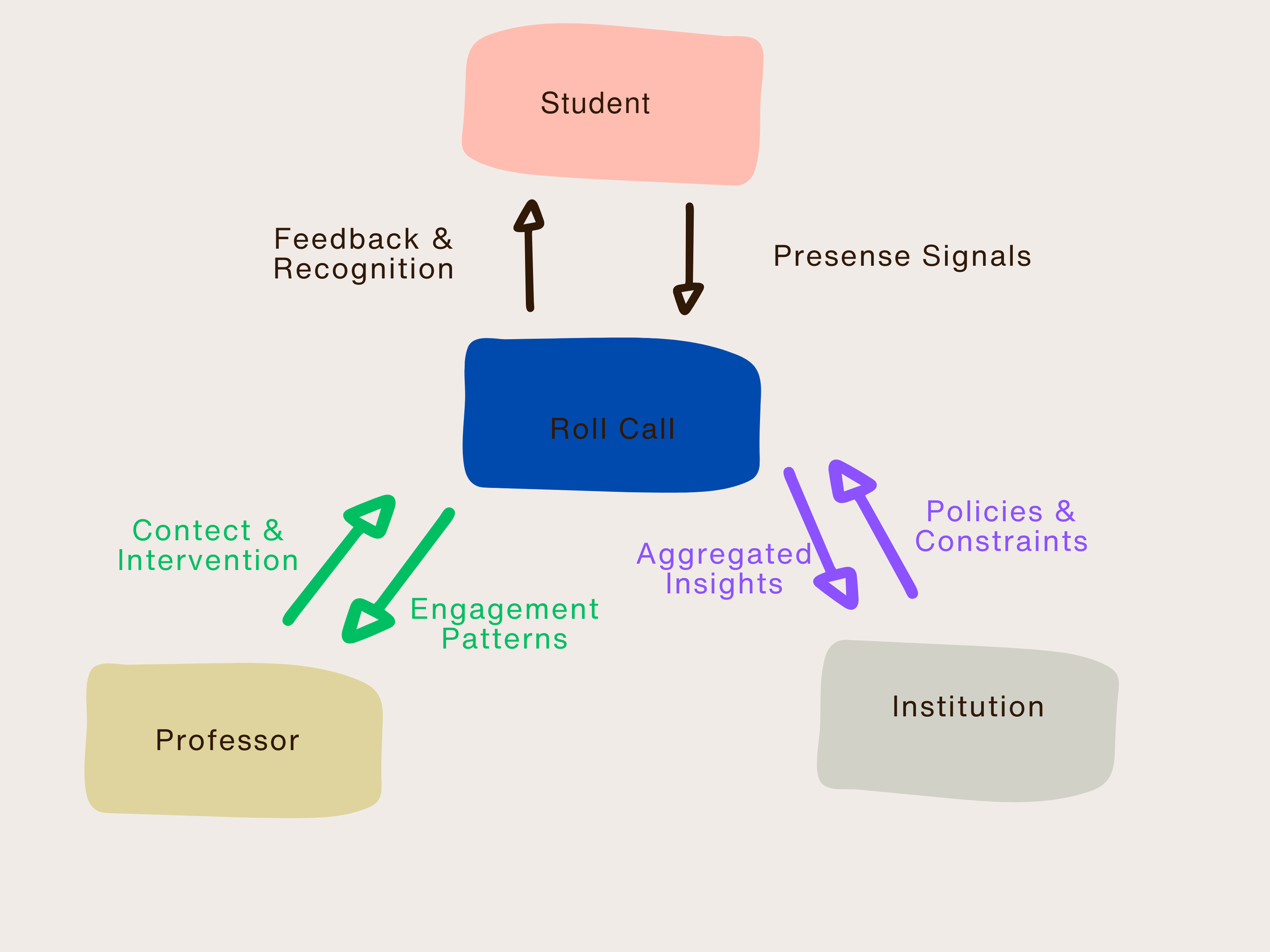
This diagram illustrates Roll Call as a mediating layer between students, professors, and institutions. Rather than functioning as a tool of surveillance, the platform translates individual behavior into abstracted patterns that enable feedback, recognition, and early intervention.
Systems Perspective
Roll Call was designed as a mediating layer between students, educators, and institutions. Rather than acting as a tool of control, the platform functions as a communication system that translates behavior into signals.
Students receive feedback through recognition and consistency indicators. Professors gain visibility into patterns without monitoring individuals in real time. Institutions receive aggregated insights that prioritize support over enforcement. This systems-oriented approach allowed the design to balance visibility with trust and accountability with autonomy.
Ethical Considerations
A central concern throughout the design process was avoiding surveillance-driven accountability. Roll Call intentionally prioritizes patterns over granular monitoring and limits real-time exposure of individual behavior. The goal was to design a system that supports trust rather than eroding it, recognizing the power imbalance inherent in educational institutions and the responsibility designers hold when shaping behavioral systems.
Iteration & Testing
Roll Call was iterated through multiple stages, including classroom pilots with professors who were willing to test the platform in live environments. Feedback consistently pointed toward the importance of clarity and restraint. Rather than adding complexity, later iterations focused on simplifying interactions, refining visual hierarchy, and making feedback more legible for both students and educators. Each iteration reinforced the idea that systems design is as much about removal as it is about addition.
Reflection
Roll Call continues to evolve. The project taught me that designing systems is less about finding definitive solutions and more about continuously negotiating trust, incentives, and human behavior within imperfect structures.It reinforced my belief that technology becomes meaningful only when it communicates values clearly and humanely. Attendance, when treated as a system of signals rather than control, has the potential to foster presence, accountability, and care.
Why This Project Matters
Roll Call represents my approach to design as systems thinking. It sits at the intersection of interaction design, behavioral logic, ethics, and communication, reflecting how design and technology can be used to shape experience rather than simply record it. This project embodies the kind of work I aim to deepen through graduate study: work that is thoughtful, human-centered, and critically aware of the systems it participates in.
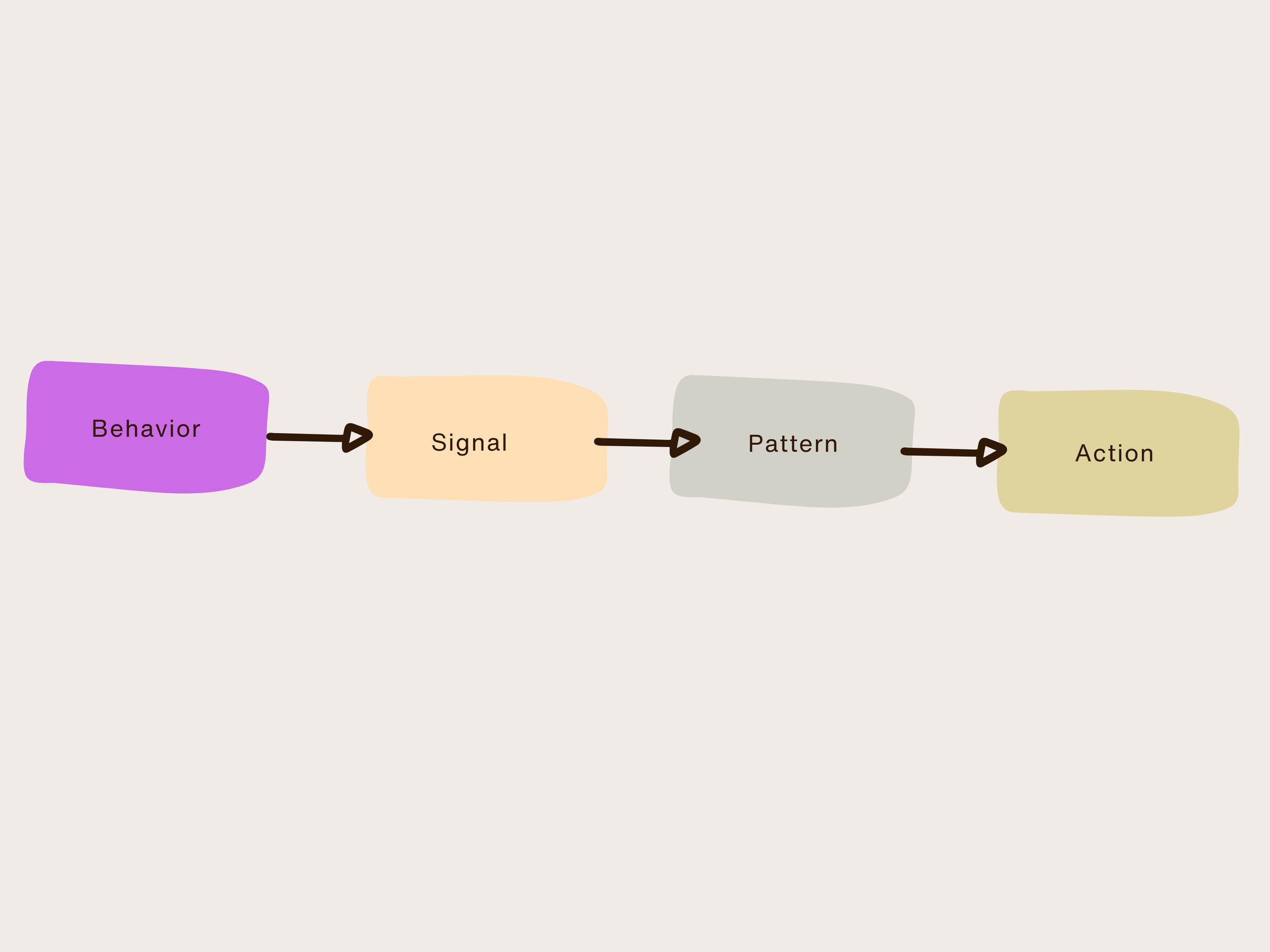
This model illustrates how Roll Call translates lived behavior into signals, patterns, and ultimately human response. The system reduces noise without erasing context, enabling care rather than control.
Design Principles
The project was guided by a small set of principles that informed every design decision:
Accountability without surveillance
Systems should support responsibility without constant monitoring.
Motivation over enforcement
Positive reinforcement encourages long-term engagement more effectively than punishment.
Visibility without exposure
Patterns matter more than individual moments.
Feedback before failure
Early signals enable intervention while there is still time to help.
Simplicity under constraint
The system should feel calm, fast, and intuitive in high-attention environments like classrooms.
Key Features & Design Rationale
Dynamic QR Codes
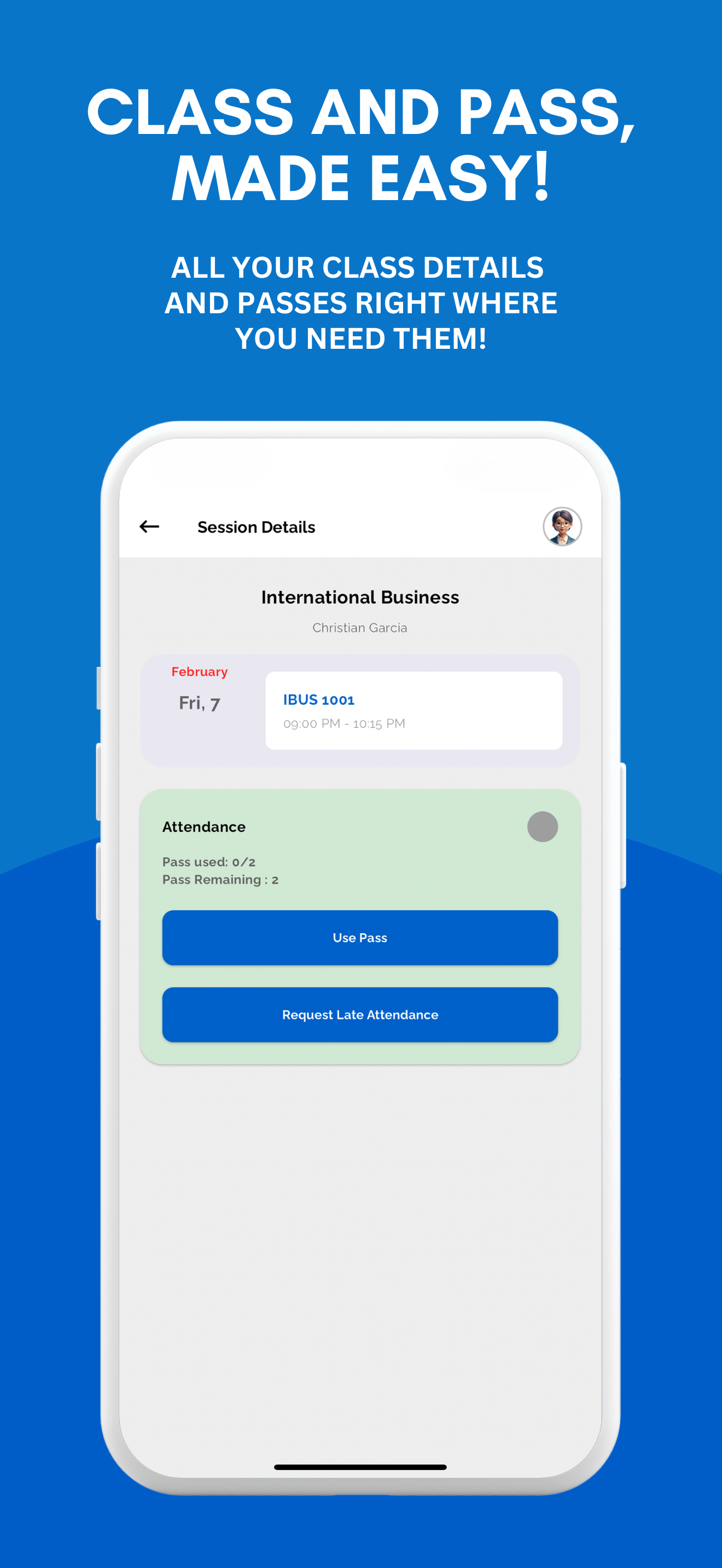
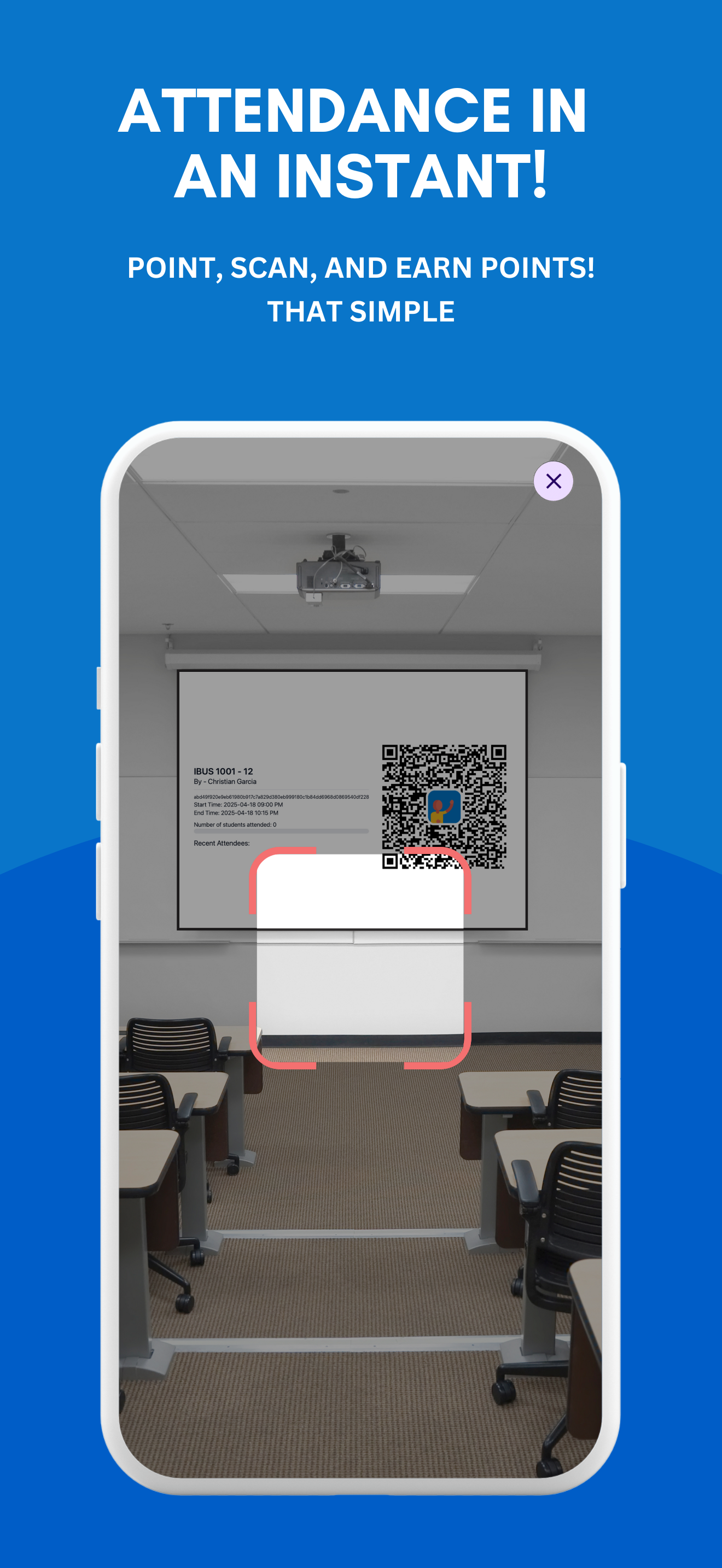
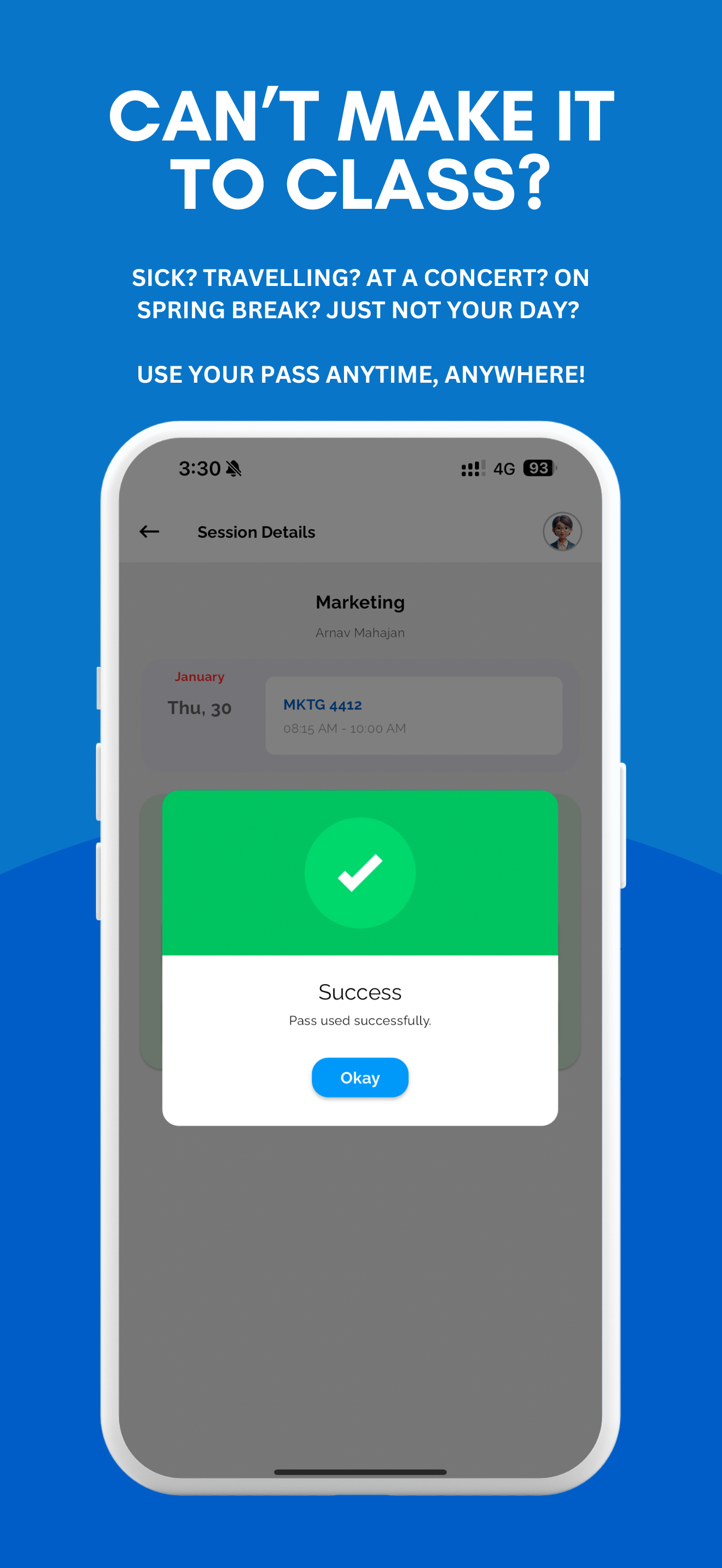
Attendance is captured using real-time, dynamic QR codes that refresh frequently.
Design intent:
reduce misuse and duplication
keep interactions fast and ephemeral
respect classroom flow
Rather than acting as a static checkpoint, the QR code becomes a momentary interaction embedded naturally into class time.
Early Disengagement Detection
The platform identifies attendance patterns that may signal disengagement.
Design intent:
surface patterns, not individuals
enable early, human intervention
shift focus from punishment to support
This feature allows educators to respond before disengagement becomes failure.
Recognition & Leaderboards
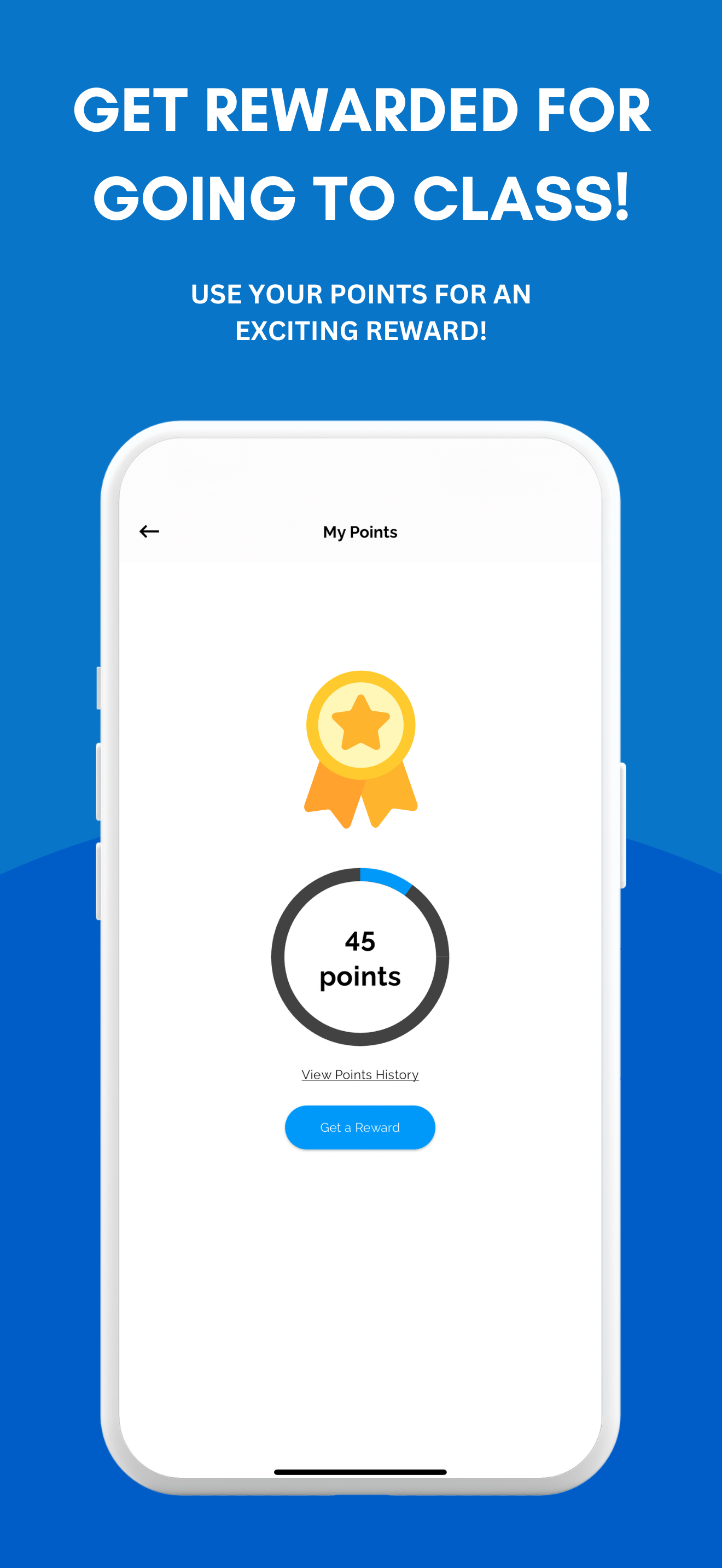
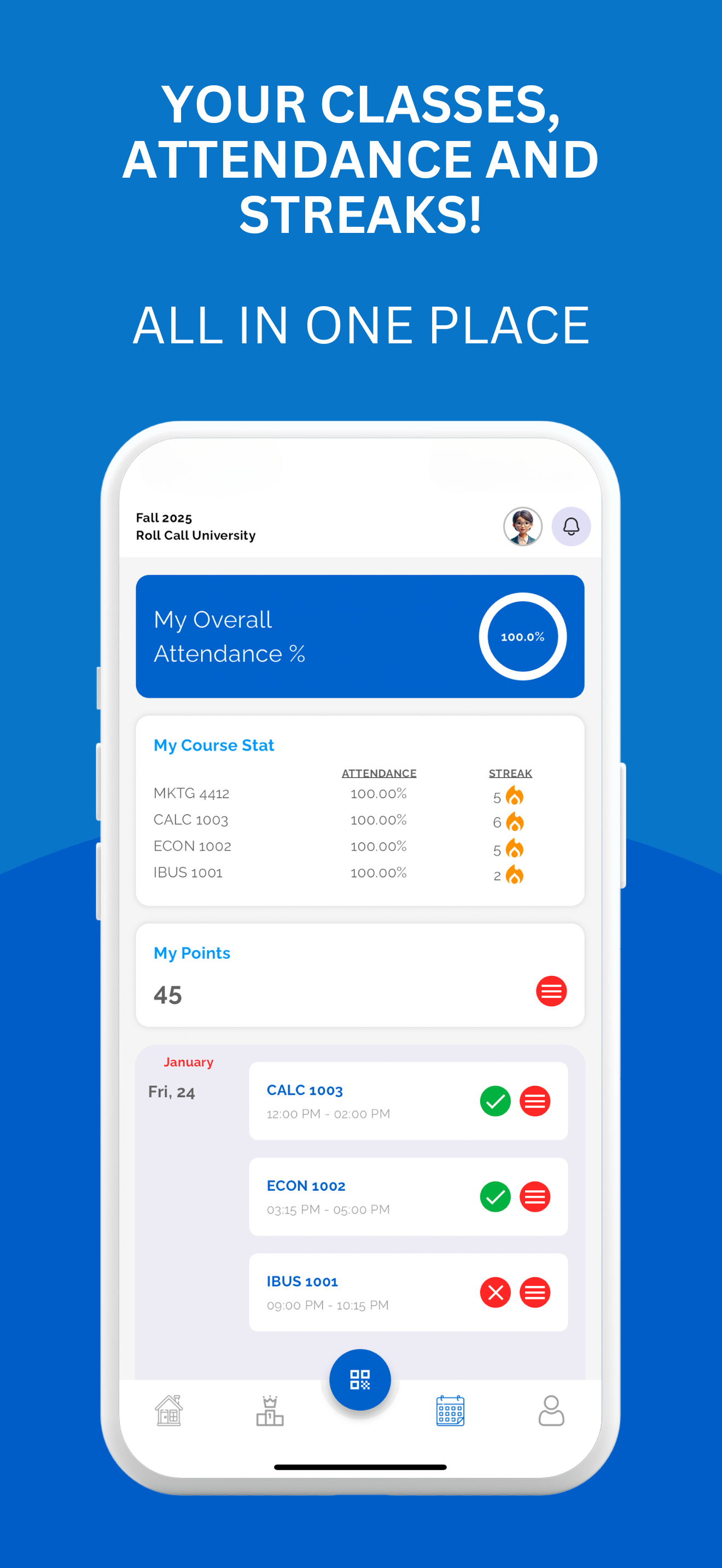
Students earn points and recognition for showing up consistently, with optional leaderboard views.
Design intent:
leverage social motivation carefully
emphasize relative progress rather than absolute ranking
keep participation visible but non-punitive
The system avoids framing attendance as competition, instead using recognition as encouragement.