The (Life) Line
Project Overview
The (Life) Line is a speculative visual inquiry that examines how a single line changes meaning as systems of structure, evaluation, and control are imposed upon it. The project uses the line as a minimal proxy for human presence, tracing how continuity, visibility, and value are shaped by rules rather than form.
Rather than treating the line as a purely formal element, the project frames it as something conditional: sustained, disrupted, ignored, or erased depending on the systems that surround it.
Conceptual Framework
The project unfolds as a sequence of twelve frames. Across the sequence, the same line is placed into progressively restrictive conditions. The line itself does not change; only the rules applied to it do. As these systems accumulate, the line adapts, compresses, fragments, and eventually disappears.
Midway through the sequence, the line briefly shifts from abstraction to biology, becoming a heartbeat. This moment introduces vulnerability and emotion before continuity breaks and the signal ceases entirely. The final frames treat absence not as failure, but as a designed outcome.
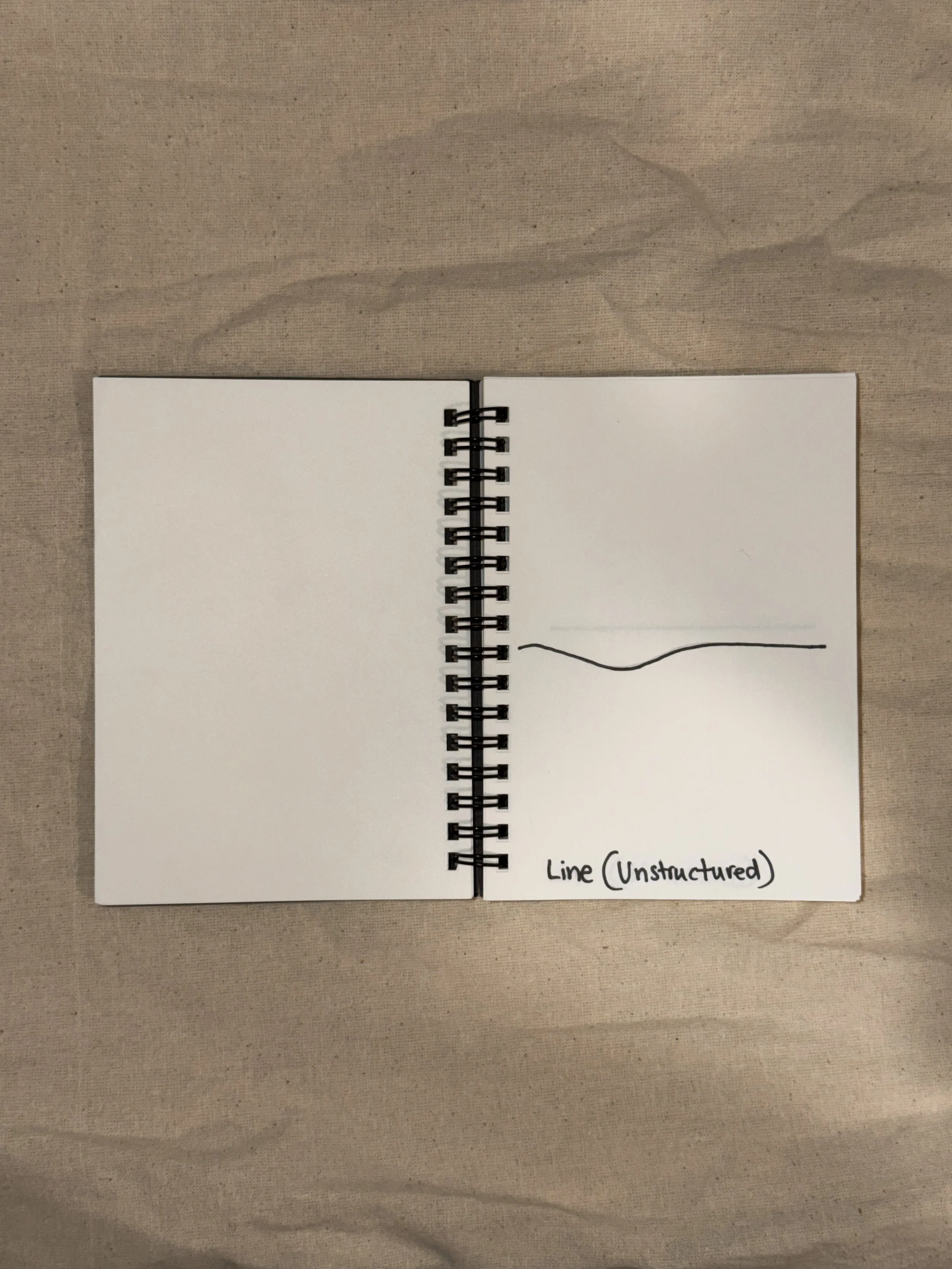
A raw, free line with no rules or direction. This establishes baseline freedom.
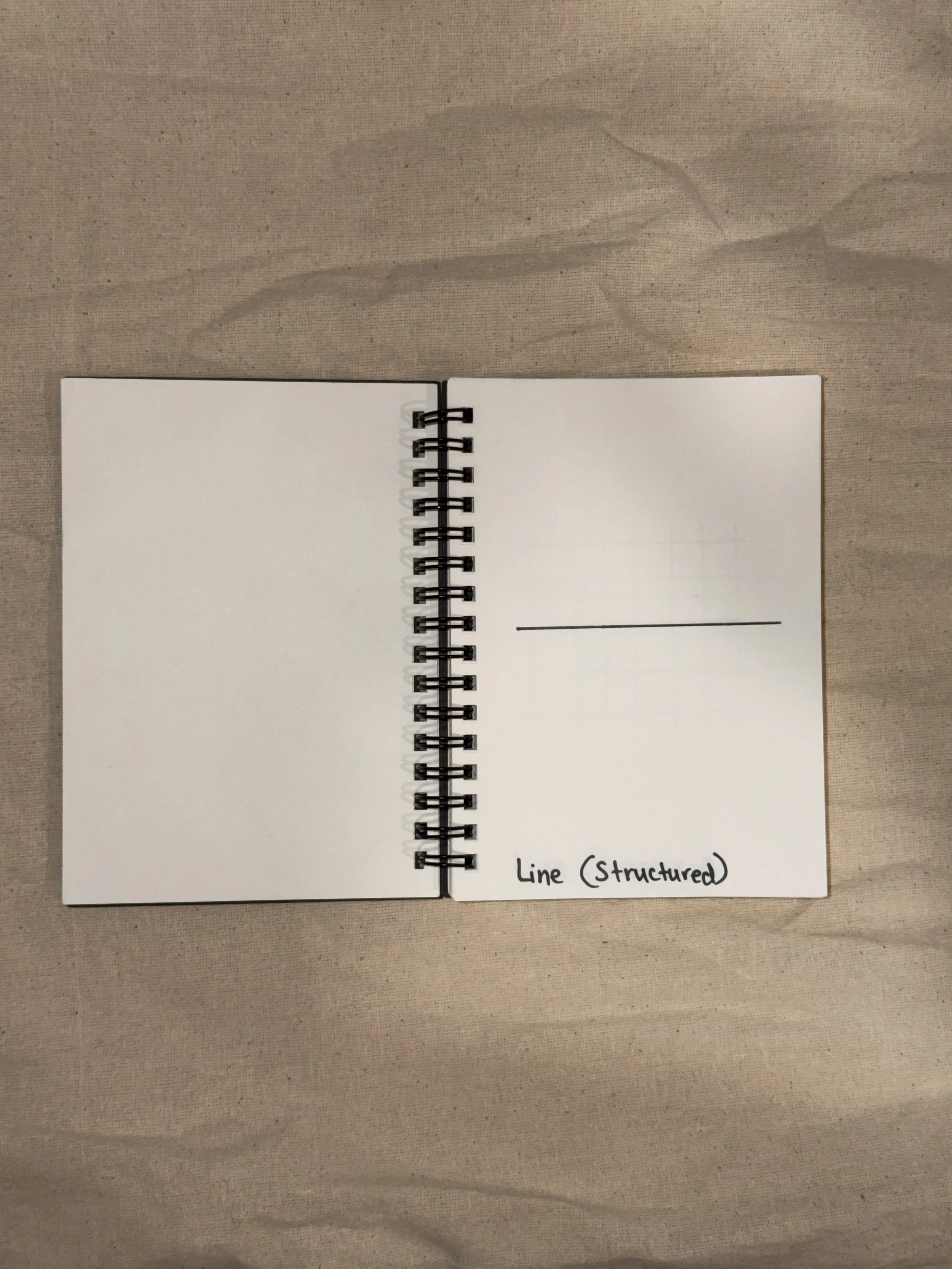
The line organized into a system or framework.
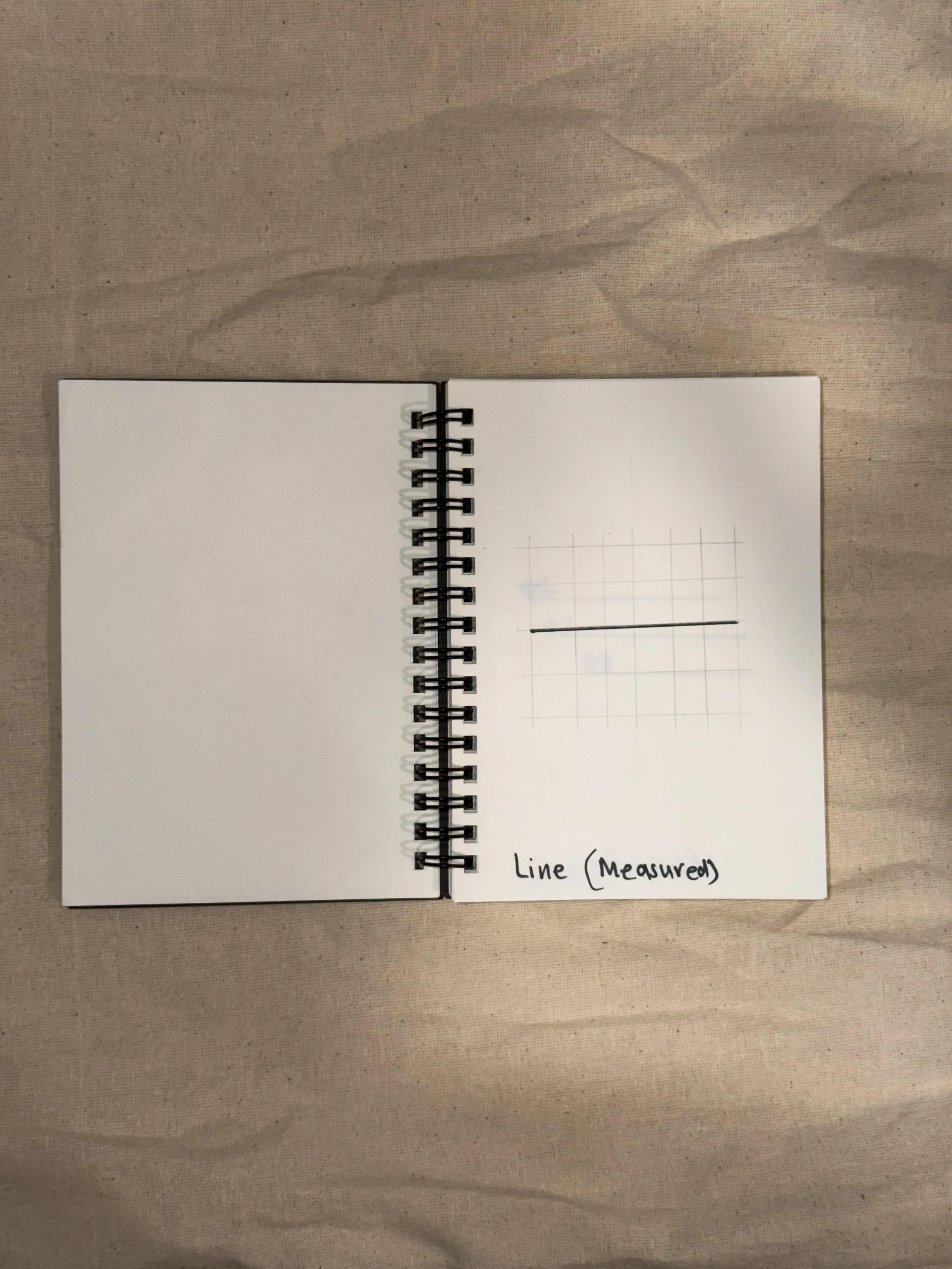
The line introduced to scale, reference, and evaluation.
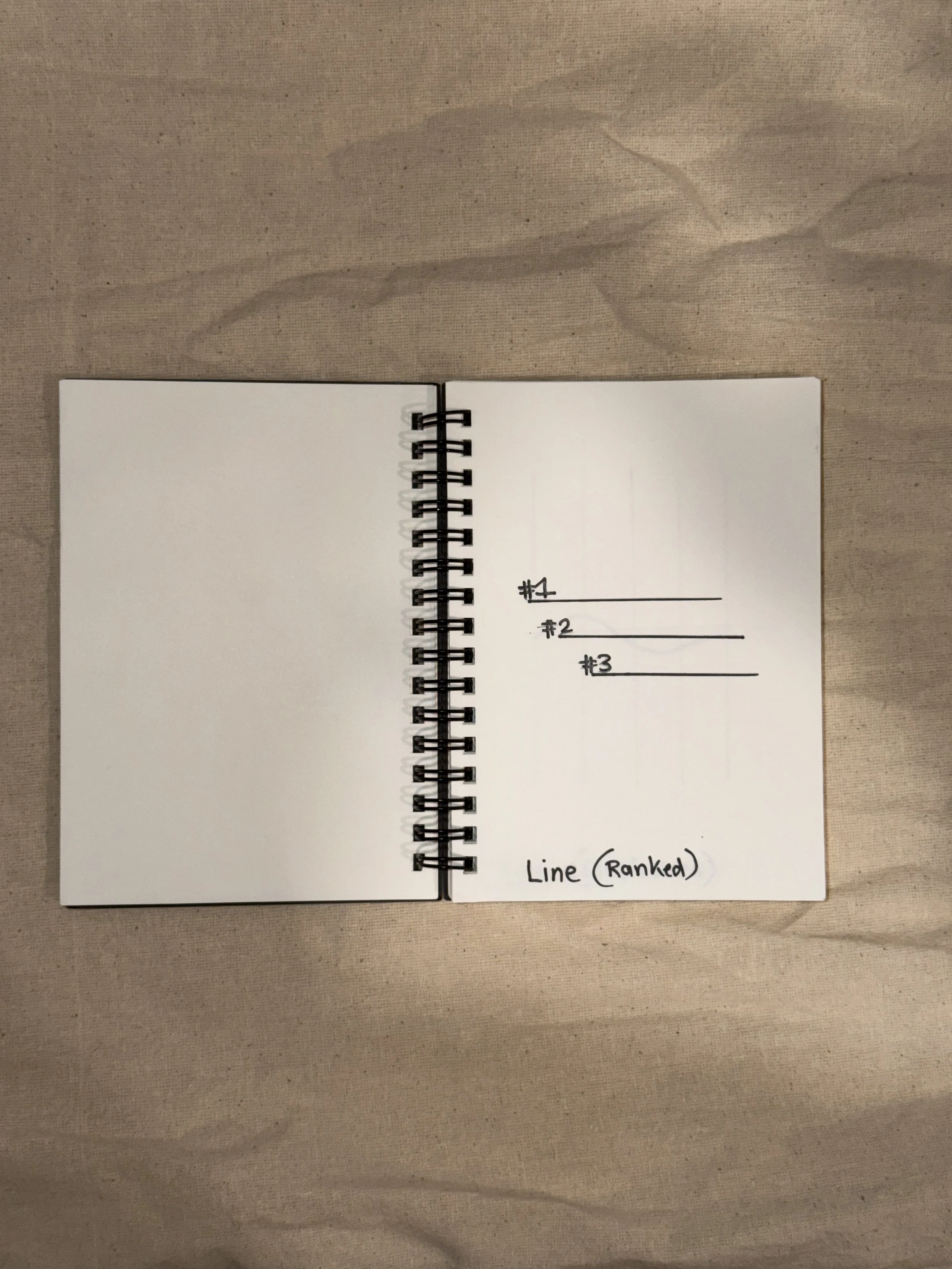
Multiple lines appear, ordered by hierarchy. Comparison and relative value enter the system.
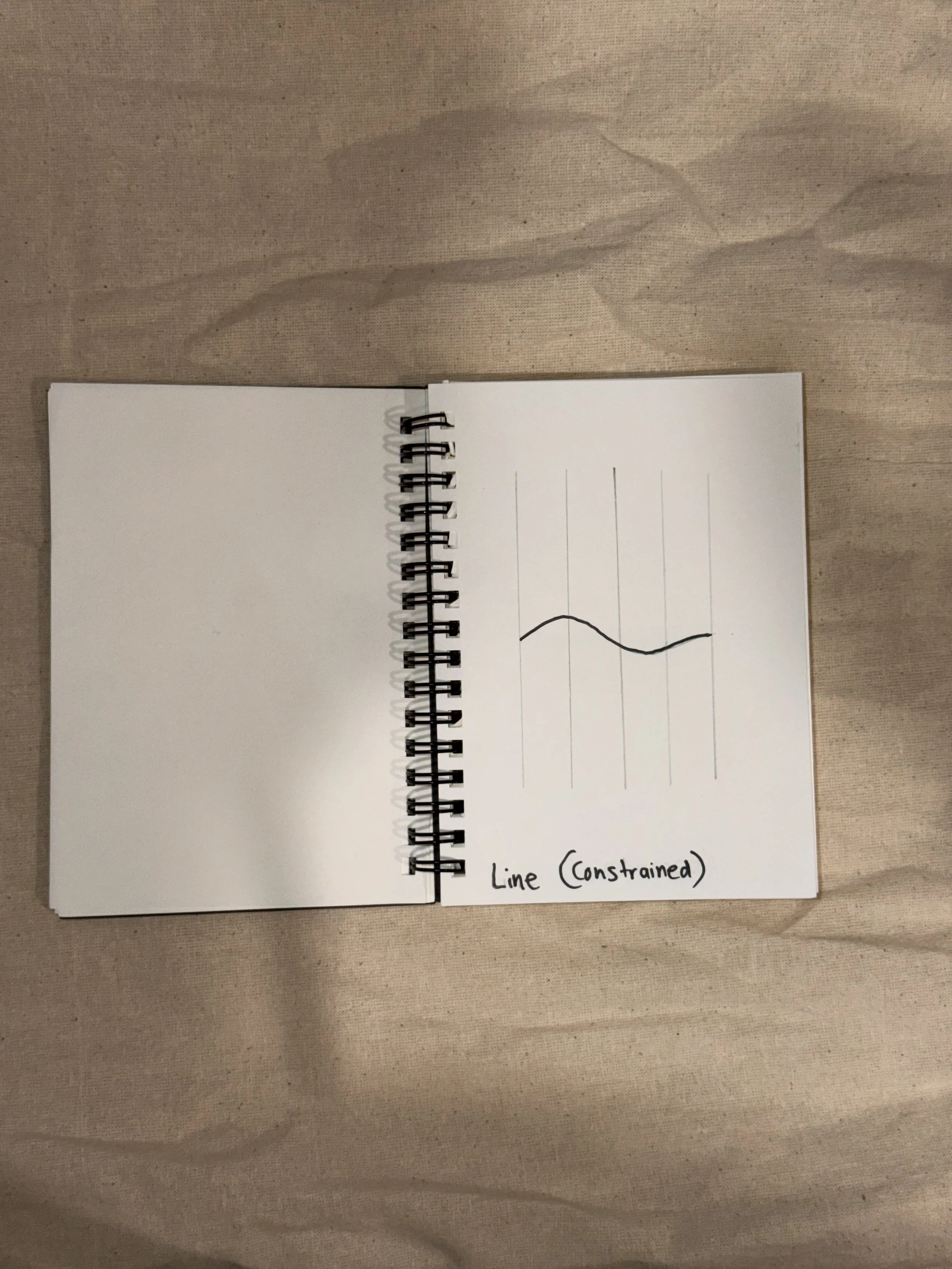
The line shaped by limits rather than choice.
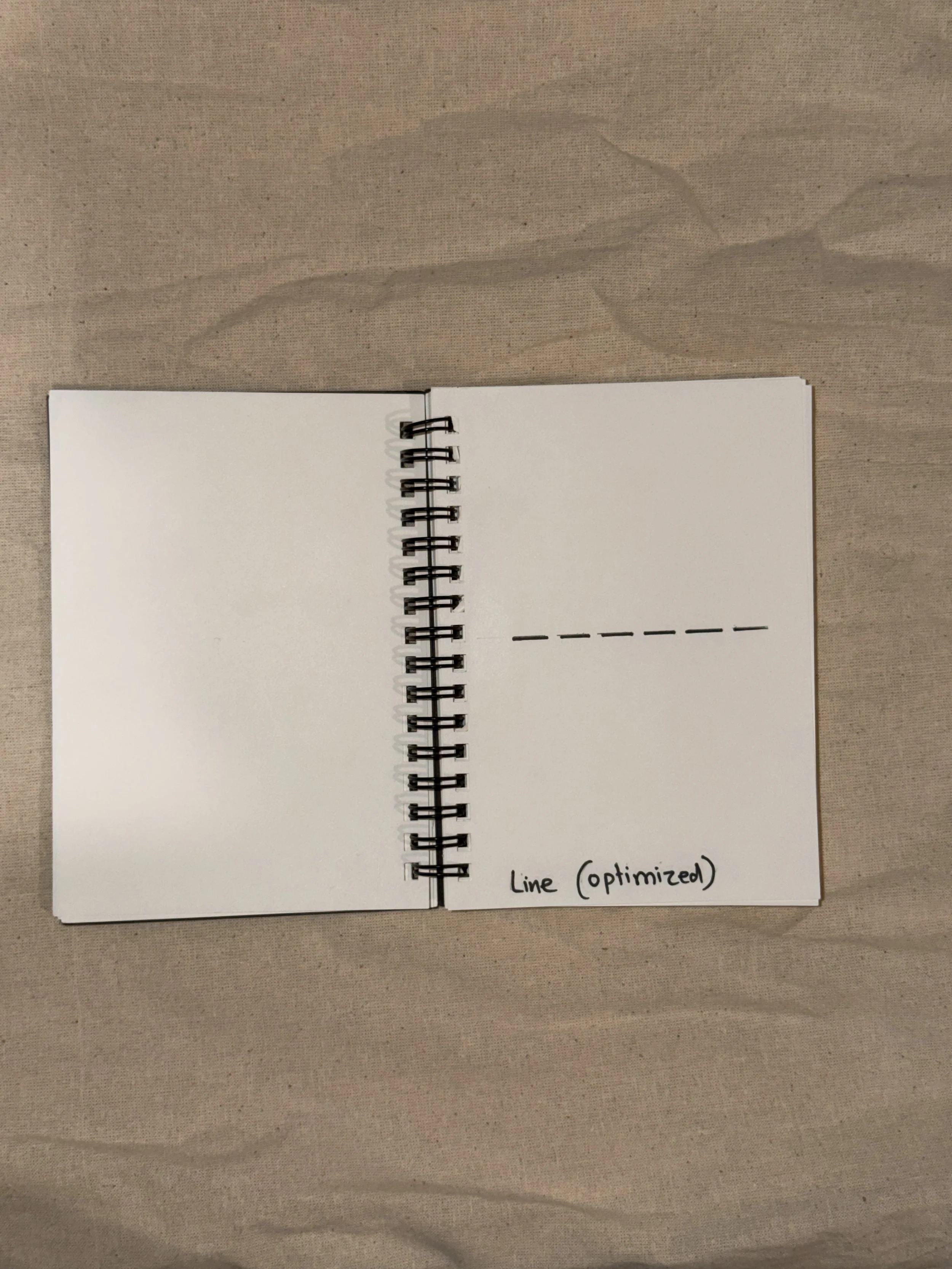
The line refined for efficiency and clarity.
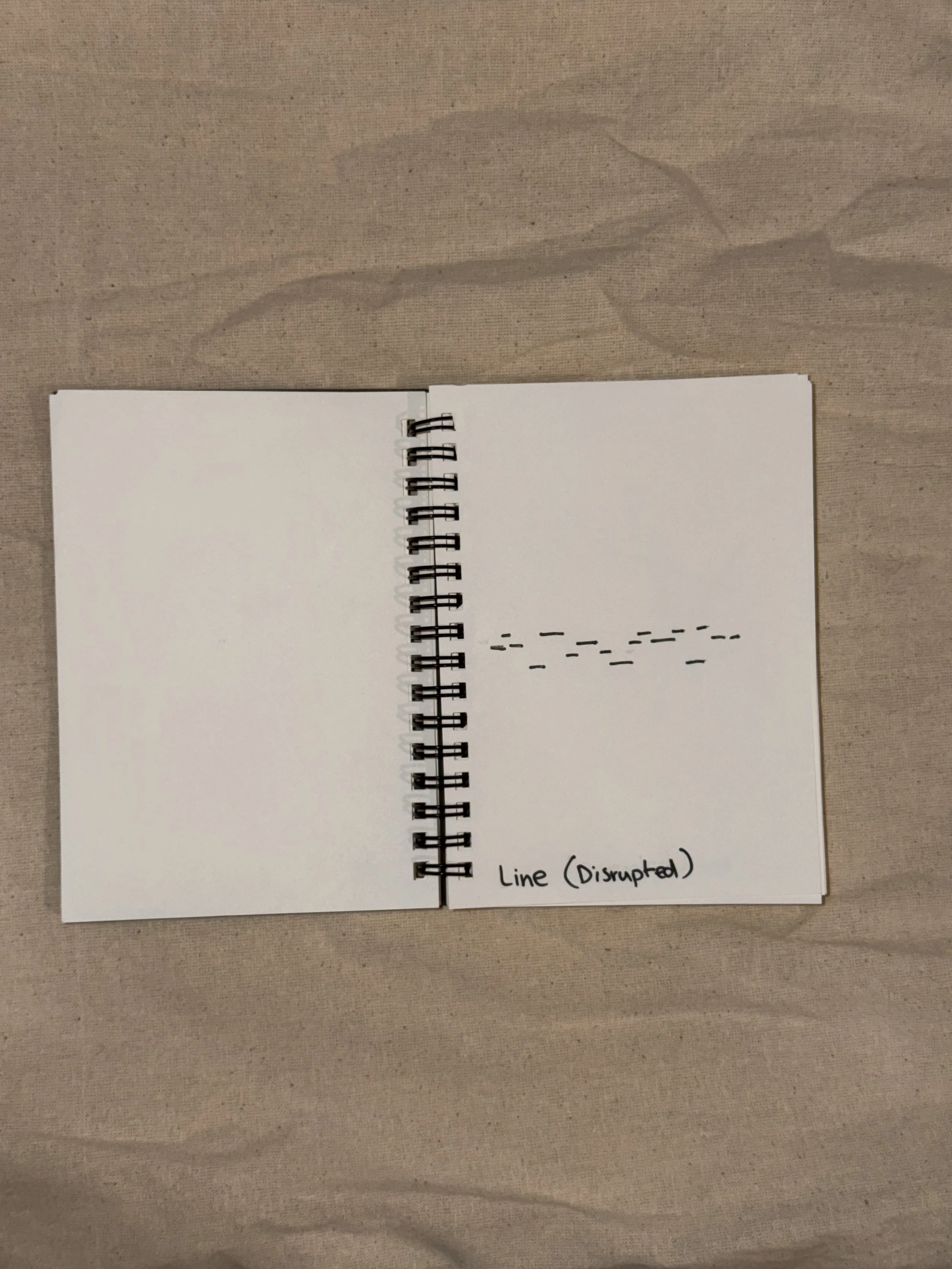
The line breaks and jumps. An interruption caused by an external force.
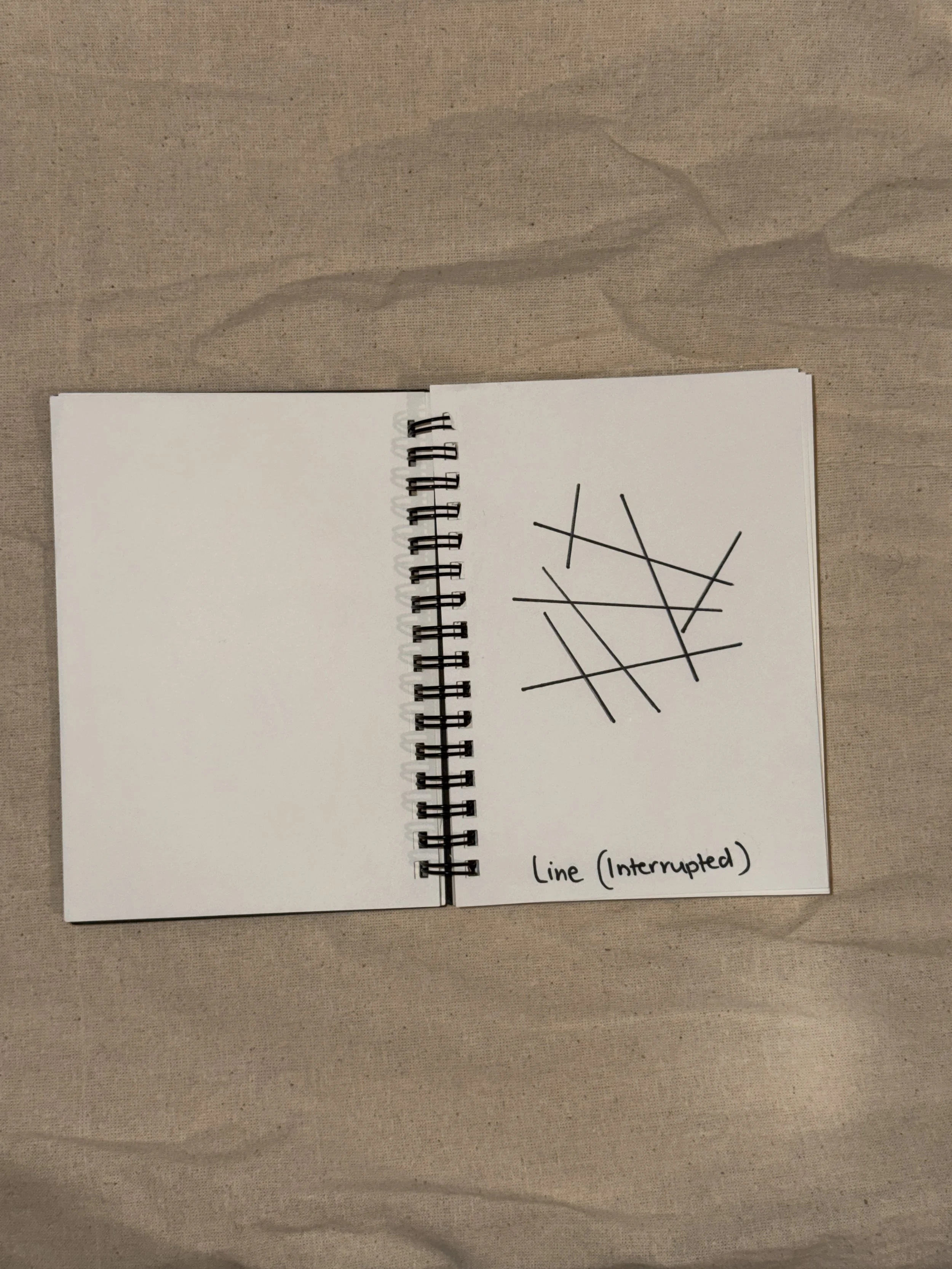
A line diverted by competing paths.
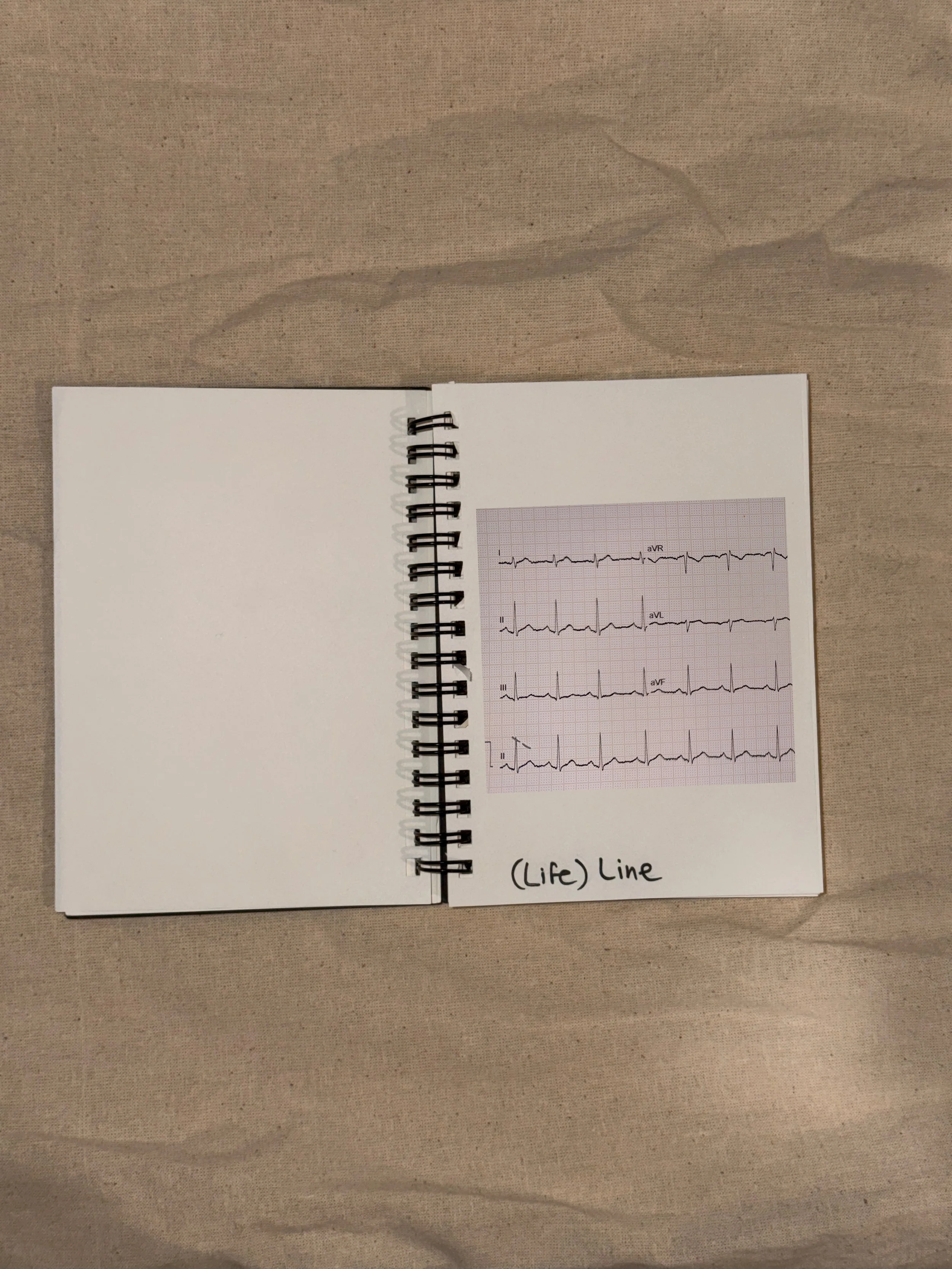
A heartbeat waveform appears. The line now represents biological time.
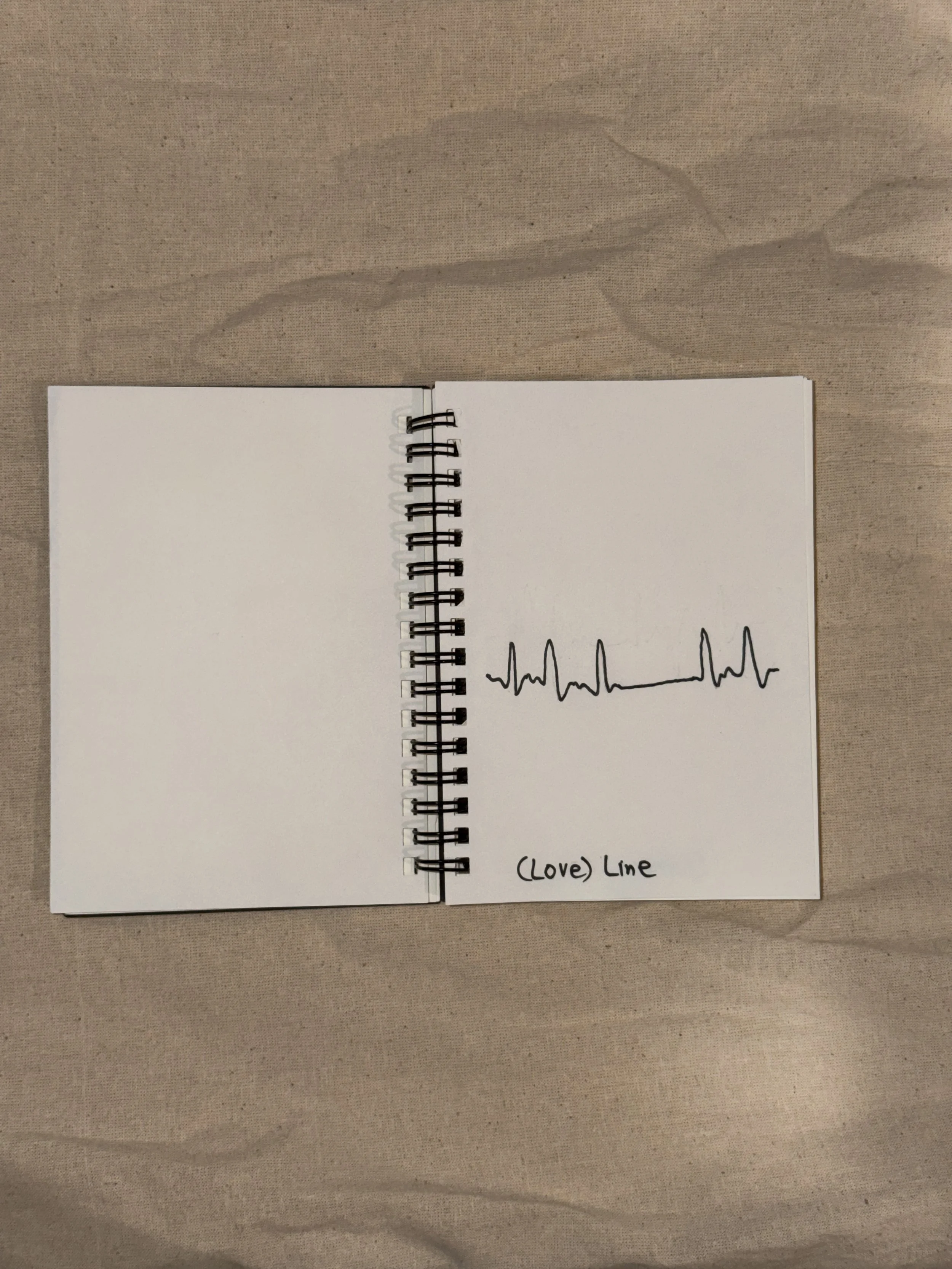
The heartbeat skips. Emotion interrupts rhythm.
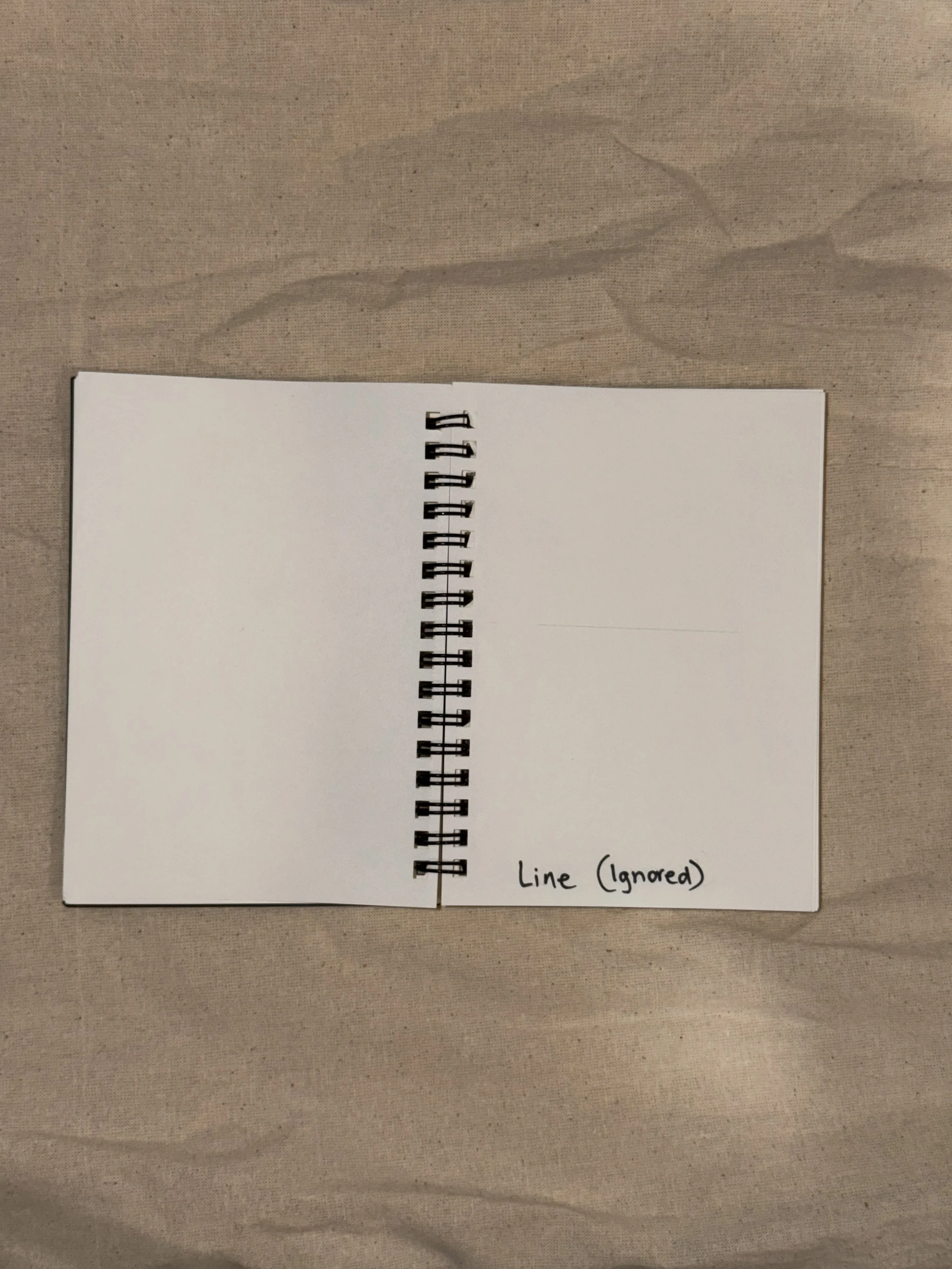
The line fades, it exists but is no longer acknowledged
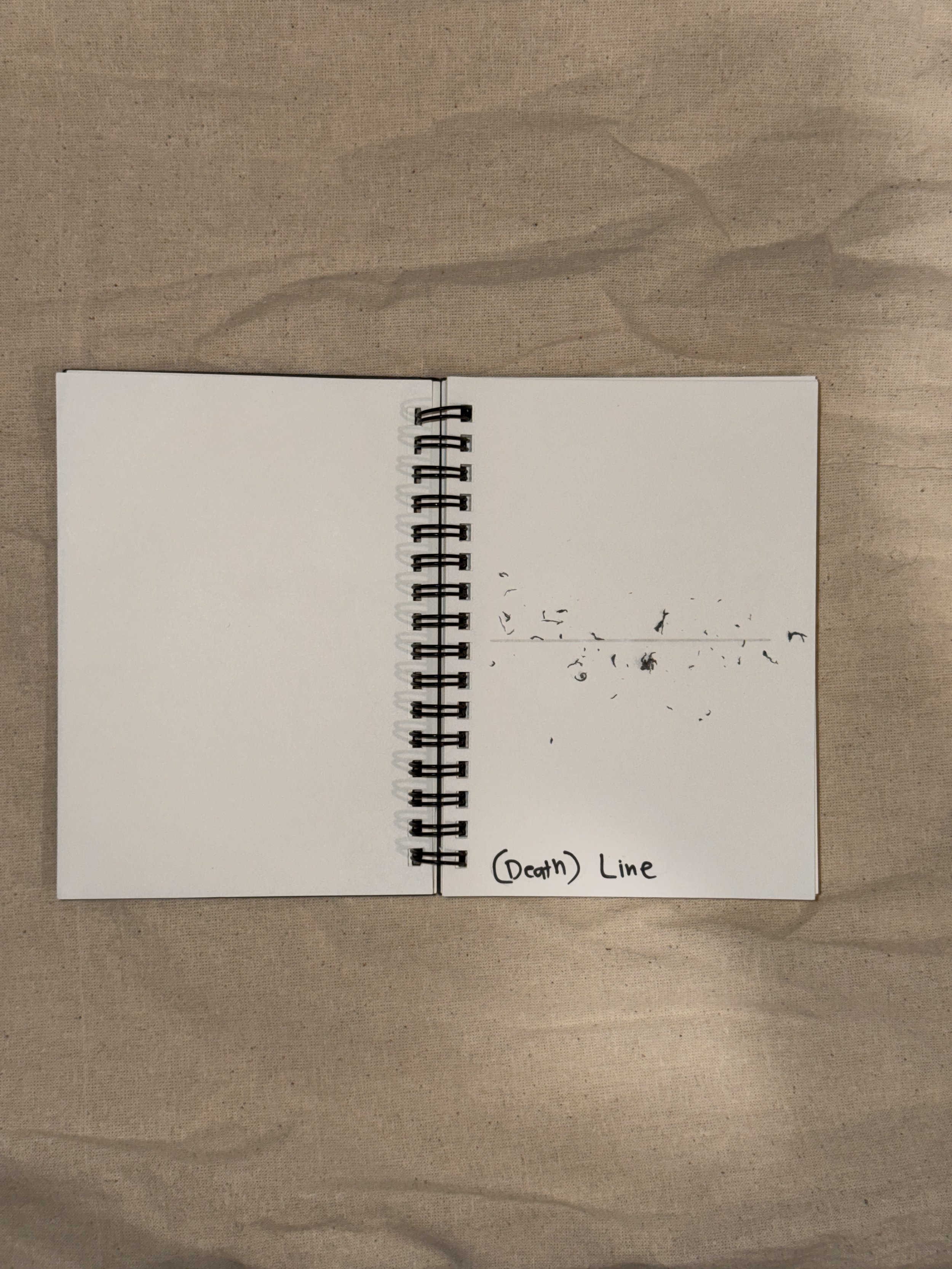
A flatline. The line reduced to residue.
Visual Logic
The project maintains a restrained visual language: monochrome tones, consistent stroke weight, and generous negative space. These constraints are intentional. By limiting aesthetic variation, the work foregrounds how systems, rather than visual complexity, shape meaning.
Reflection
The (Life) Line does not propose solutions. Instead, it uses reduction to surface questions about control, efficiency, and erasure. The project reflects my interest in design as a critical practice, one that examines how systems assign value, regulate behavior, and determine which signals are sustained and which are allowed to disappear.
Context Within My Practice
While abstract, The (Life) Line sits in direct dialogue with my applied work. Across both speculative and functional projects, I am interested in how systems shape participation, visibility, and accountability. This project distills those concerns into their simplest form, using a single line to explore how presence itself becomes conditional.